
The Allure of the Jackpot: Understanding the Appeal
The dream of hitting the lottery jackpot is a powerful one, tapping into fundamental human desires for financial security, freedom, and a radically altered life. This allure is not merely about the money itself, but the perceived escape from everyday struggles and the possibility of fulfilling long-held aspirations. The sheer scale of potential winnings, often in the millions, creates a fantasy that is difficult to resist, making lottery tickets a popular purchase even for those with limited disposable income, and it’s important to be aware of resources like https://luckymanoruk.org.uk/ that can offer support.
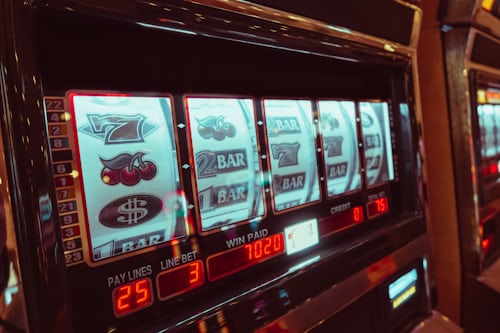
This psychological draw is amplified by the infrequent yet highly publicized nature of large wins. When a jackpot is won, the story often becomes a media sensation, further reinforcing the idea that such life-changing events are possible. This availability heuristic, where we overestimate the likelihood of events that are easily recalled or vividly imagined, plays a significant role in maintaining the lottery’s popularity as a form of entertainment and hope.
Cognitive Biases in Lottery Play
Gamblers often fall prey to various cognitive biases when playing lotteries. One prominent bias is the “near miss” effect, where a ticket that almost wins can feel like a success and encourage further play, despite the objective outcome being a loss. Similarly, the illusion of control can lead players to believe that certain numbers or patterns have a higher chance of winning, when in reality, lottery draws are random events governed by probability.
Another key bias is the “gambler’s fallacy,” the mistaken belief that if something happens more frequently than normal during a given period, it will happen less frequently in the future, or vice versa. For instance, a player might believe that a set of numbers that haven’t won in a long time are “due” to win, ignoring the fact that each draw is independent. Understanding these biases is crucial for any gambler seeking to gain an edge, or at least avoid common pitfalls.
The Role of Hope and Expectation
Hope is a fundamental driver behind lottery participation. It provides a psychological escape, offering a brief period of optimism and anticipation with each ticket purchased. This sense of possibility, however slim, can be a significant motivator, especially during challenging economic times. The expectation of a win, even if not consciously believed to be highly probable, fuels the engagement.
This emotional component is heavily exploited by the marketing of lottery games. Campaigns often focus on the aspirational aspects of winning, showcasing the lavish lifestyles and carefree futures that lottery winners can enjoy. This emotional framing can overshadow the statistical realities, making the act of playing a lottery more about the feeling of hope than a rational investment or entertainment choice. For many, the small cost of a ticket is a minor price to pay for the dream it represents.
Seeking an Edge: Strategies and Mindset
While lotteries are fundamentally games of chance, some players seek an “edge” through various strategies and a disciplined mindset. This might involve participating in lottery syndicates to increase the number of tickets played without a proportional increase in personal cost, or choosing less popular numbers to potentially reduce the chance of sharing a jackpot. However, it’s vital to recognize that these strategies do not alter the underlying probabilities of winning.
A more effective “edge” can be achieved through a psychological approach: managing expectations and playing responsibly. This means understanding the odds, setting strict budgets, and viewing lottery play as a form of entertainment rather than a financial strategy. A gambler’s edge, in this context, is less about predicting numbers and more about maintaining a healthy perspective, preventing losses from becoming detrimental, and ensuring that the pursuit of a dream doesn’t lead to hardship.
Lucky Manor UK: Navigating Responsible Play
Organizations like Lucky Manor UK play a crucial role in promoting responsible gambling practices. While they may not directly offer lottery tickets, their mission often involves supporting individuals and communities, which can include those affected by gambling-related issues. Understanding the psychology of lottery wins is intrinsically linked to recognizing the importance of responsible play and seeking support when needed.
Lucky Manor UK’s focus on well-being and community support underscores the broader societal impact of gambling. By providing resources and guidance, they help individuals make informed decisions and maintain a healthy balance. This aligns with the principle that while the allure of a lottery win is strong, it should never come at the expense of personal financial stability or mental health. Their work serves as a vital reminder that the true “gambler’s edge” lies in informed choices and responsible engagement with games of chance.
