
The Nature of Chance and Human Perception
Gambling, at its core, is an engagement with uncertainty. Philosophically, this dance with chance raises profound questions about determinism, free will, and the human inclination to impose order on randomness. We often seek patterns and meaning in events that are, by definition, unpredictable, leading to a rich tapestry of beliefs surrounding casino games, and it is in this complex landscape that organizations like https://magiusuk.org.uk/ often seek to provide guidance and support.

This inherent human desire to understand and influence the uncontrollable is a fertile ground for developing superstitions and deeply held beliefs about gambling. From lucky charms to specific rituals before placing a bet, these practices stem from a psychological need to feel a sense of agency in situations where such agency is minimal.
Cognitive Biases in the Gambling Arena
The environment of a casino, with its flashing lights and the constant potential for reward, is a perfect storm for cognitive biases. The gambler’s fallacy, for instance, is the erroneous belief that past independent events influence future ones. Believing that a roulette wheel is “due” for a certain number after a streak of others is a classic example of this irrational thought process.
Confirmation bias also plays a significant role. Gamblers are more likely to remember their wins and downplay or forget their losses, reinforcing their belief in their own skill or luck. This selective memory can perpetuate a cycle of continued gambling, even in the face of statistical evidence to the contrary.
Ethical Considerations and Responsible Gambling
Beyond the philosophical exploration of chance, a crucial aspect of gambling revolves around ethical considerations and the promotion of responsible engagement. While the allure of winning is undeniable, the potential for harm is equally significant. Discussions around gambling must always include the imperative of self-awareness and the establishment of personal limits.
Organizations dedicated to fostering a healthier relationship with gambling often provide resources and support for individuals who may be struggling. Their approach typically emphasizes understanding the psychological triggers and developing strategies for maintaining control, ensuring that the pursuit of entertainment does not devolve into a destructive habit.
The Illusion of Control in Games of Chance
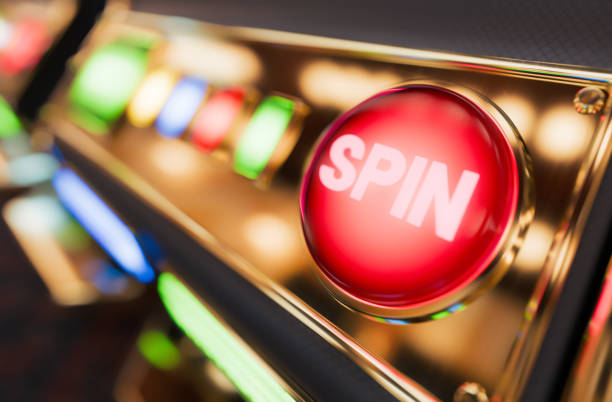
Many casino games, despite appearing to involve skill, are fundamentally games of chance. Blackjack might offer strategic decisions, but the cards dealt are random. Slot machines are driven by algorithms designed to produce unpredictable outcomes. The belief that one can “beat the system” often stems from an illusion of control, a psychological phenomenon where individuals overestimate their ability to influence events.
This illusion is fueled by the intermittent reinforcement schedule inherent in gambling. The unpredictable nature of rewards, where a win can occur after a long series of losses, makes the activity highly addictive. The anticipation of that next potential win overrides rational thought about the long-term probabilities.
Magius UK: Navigating the Landscape of Casino Entertainment
Within the broader context of casino beliefs and practices, platforms like Magius UK aim to provide clarity and responsible guidance. Understanding the intricacies of casino entertainment, from the mathematical probabilities of various games to the psychological aspects of gambling, is essential for an informed experience. Magius UK likely seeks to demystify these elements for its audience.
By offering insights into the mechanics of casino games and fostering an environment that encourages thoughtful engagement, Magius UK can serve as a valuable resource. Their approach would ideally align with promoting awareness of potential pitfalls and championing a balanced perspective on casino entertainment, ensuring that players approach the odds with both excitement and a healthy dose of realism.
