
The Allure of Anticipation: Why We Chase Casino Wins
The human brain is wired to seek reward, and casino games, particularly those with a familiar and exciting brand like Wheel of Fortune, tap directly into this fundamental drive. The anticipation of a win, the flashing lights, the celebratory sounds – these all create a powerful neurological cocktail that can be incredibly compelling. This is especially true for games that offer the chance of a life-changing jackpot, making the pursuit of that ultimate win a significant psychological motivator, and many players seek out the wheel of fortune casino for this very reason.
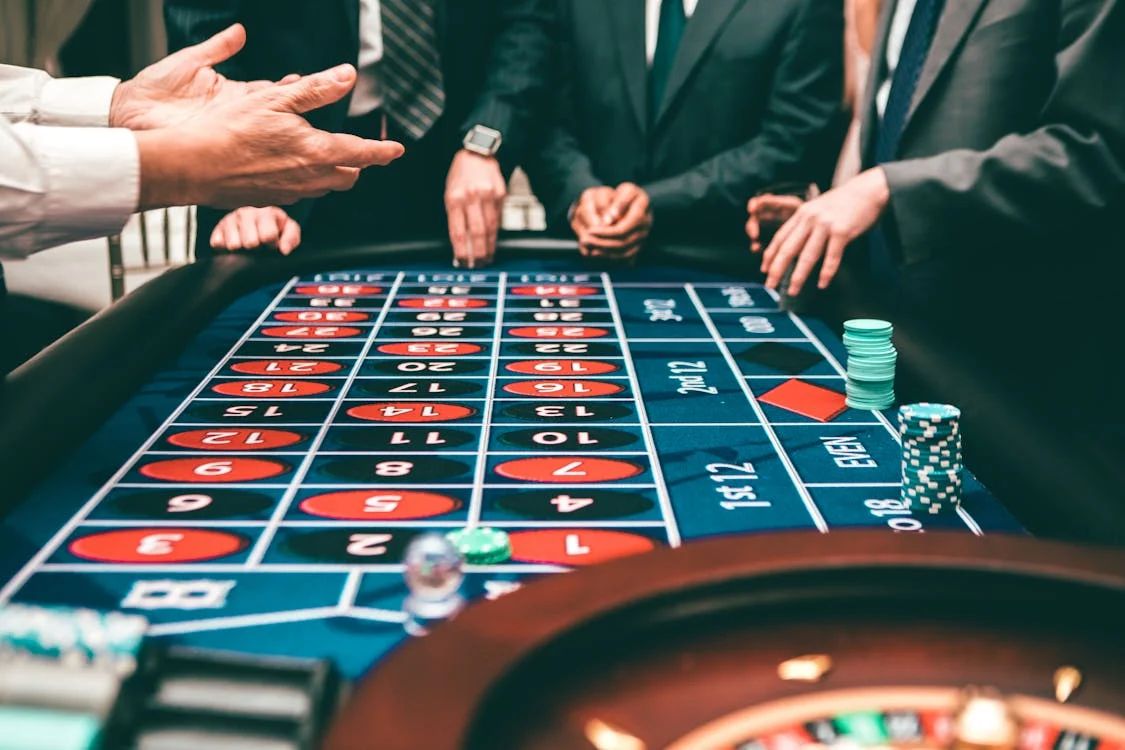
This inherent desire for reward is amplified by the element of chance. Unlike games of pure skill, where success is directly proportional to ability, casino games introduce an unpredictable factor. This unpredictability makes each spin or hand feel like a fresh opportunity, a new chance to overcome the odds. The “near miss” phenomenon, where players almost hit a winning combination, further exacerbates this, creating a frustrating yet persistent urge to try “just one more time.”
Cognitive Biases and the Illusion of Control
Several cognitive biases play a crucial role in how players perceive their chances at casino games. The gambler’s fallacy, for instance, is the mistaken belief that if something happens more frequently than normal during some period, it will happen less frequently in the future, or that if something happens less frequently than normal during some period, it will happen more frequently in the future. This can lead players to believe a “cold streak” is due for a “hot streak,” influencing their betting decisions.
Another significant bias is the illusion of control. Players might develop rituals, superstitions, or betting patterns that they believe influence the outcome, even though the game is entirely random. This is particularly evident in games like Wheel of Fortune, where the spinning wheel itself can feel like something the player can “guide.” This perceived control, however illusory, can make the gambling experience more engaging and, unfortunately, harder to disengage from.
The Dopamine Hit: Understanding the Brain’s Reward System
Winning at a casino, even a small amount, triggers a release of dopamine in the brain’s reward pathways. Dopamine is a neurotransmitter associated with pleasure, motivation, and learning. This “dopamine hit” creates a feeling of satisfaction and reinforces the behavior that led to the reward, making the player more likely to repeat the action. Over time, this can lead to a cycle where the anticipation of the next dopamine release becomes a primary driver.
The structure of many casino games, including variations of Wheel of Fortune, is designed to deliver these intermittent rewards. The delay between bets and the unpredictable nature of wins create a powerful reinforcement schedule. This intermittent reinforcement is known to be more effective in maintaining behavior than continuous reinforcement, meaning players can become hooked even if they don’t win frequently.
Emotional Regulation and Escapism
For some individuals, gambling can serve as a form of emotional regulation or escapism. The intense focus required during gameplay can provide a temporary distraction from everyday stresses, anxieties, or negative emotions. The thrill of the game, the potential for a big win, and the social atmosphere of a casino (or online platform) can create a powerful escape from reality.
While this can be a temporary coping mechanism, it can also become a problematic dependency. When gambling becomes the primary way to manage emotions, it can prevent individuals from developing healthier coping strategies. The cycle of winning and losing can also lead to a rollercoaster of emotions, with euphoria after a win often followed by disappointment or despair after a loss, further complicating the emotional landscape.

Wheel of Fortune Casino: Navigating the Thrill Responsibly
Platforms like Wheel of Fortune Casino, by leveraging a beloved and iconic brand, tap into existing familiarity and excitement, potentially amplifying the psychological draw of casino gaming. The recognizable elements of the Wheel of Fortune game, translated into a digital casino environment, can evoke nostalgic feelings while simultaneously presenting the thrill of real-money gambling. This blend of familiarity and novelty can be a powerful enticement for players.
Understanding the psychological underpinnings of why casino wins are so appealing is crucial for responsible engagement. Recognizing the role of anticipation, cognitive biases, and the brain’s reward system can empower players to make more informed decisions. Wheel of Fortune Casino, like any gambling platform, should be approached with awareness of these psychological factors, ensuring that the pursuit of wins remains an enjoyable form of entertainment rather than a compulsion.
